The Arctic Ocean shapes every aspect of life in Greenland. It feeds families, supports livelihoods, and connects generations through a deep relationship with the sea. From towering icebergs and expansive fjords to productive fishing grounds and rich marine ecosystems, the ocean is more than a landscape, it is a source of life.
A new film produced by BBC Storyworks is now available in English, Greenlandic, and Danish. It explores this enduring connection and the growing challenges facing all Arctic communities in a rapidly evolving landscape. Produced in partnership with Oceans North Kalaallit Nunaat, a Greenland-based nonprofit organization working to advance sustainable ocean management and marine conservation, the film highlights Inuit perspectives on stewardship, resilience, and the future of Greenland’s waters.
"For Inuit, the ocean is not just a place. It is a source of life. It is our highway, our pantry, and our history. We have always adapted to shifting ice, changing seasons and unpredictable conditions. Resilience, knowledge and a deep relationship with the sea guides us.” - Jenseraq Poulsen, executive director of Oceans North Kalaallit Nunaat
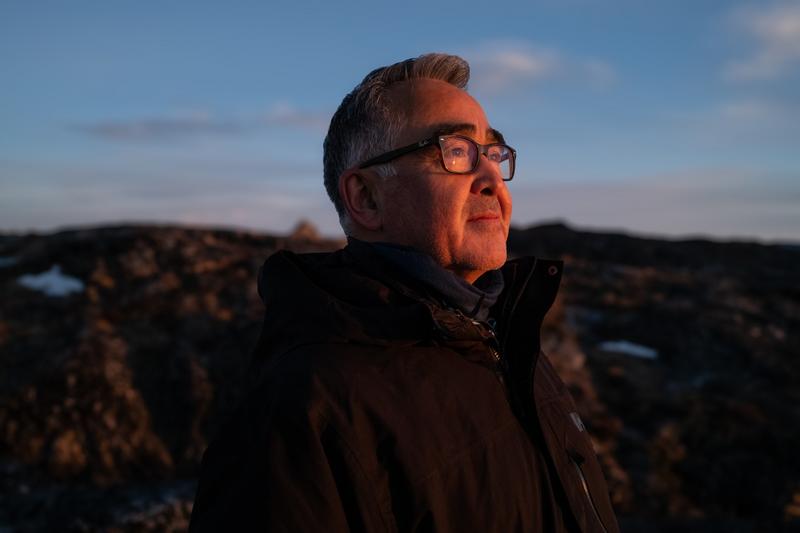
Image: Jenseraq Poulsen, executive director of Oceans North Kalaallit Nunaat
For Inuit, the ocean is not separate from daily life; it is woven into culture, identity, and history. Knowledge of the sea has been passed down through generations, shaping how communities travel, hunt, fish, and thrive in one of the world's most dynamic environments. Yet the Arctic is changing rapidly. The effects of climate change have already resulted in shifting sea ice, changing weather patterns, and evolving marine ecosystems.
These changes raise an urgent question for Greenland and the broader Arctic: How can communities maintain the livelihoods they depend upon while ensuring the long-term health of the oceans that sustain them? The answer lies in stewardship developed alongside the people who know these waters best.
Economic and cultural impact
Like most Arctic communities, Greenland's fisheries are both an economic cornerstone and a cultural foundation, supporting families across the country and contributing significantly to the national economy. Their future depends on healthy marine ecosystems capable of sustaining both people and nature. As environmental changes accelerate, decisions about ocean governance will play an increasingly important role in determining the future of Arctic communities.
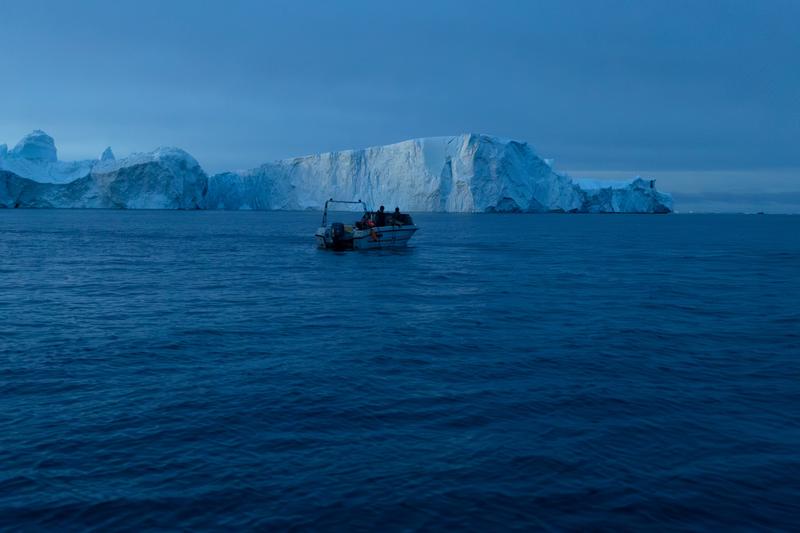
The Arctic Edge: Navigating Change in the Arctic Waters of Greenland highlights the importance of Indigenous knowledge, local leadership, and community participation in shaping those decisions. Protecting Arctic waters is not only about conserving biodiversity. It is about safeguarding culture, strengthening food security, supporting sustainable livelihoods, and ensuring that future generations can continue their relationship with the ocean.
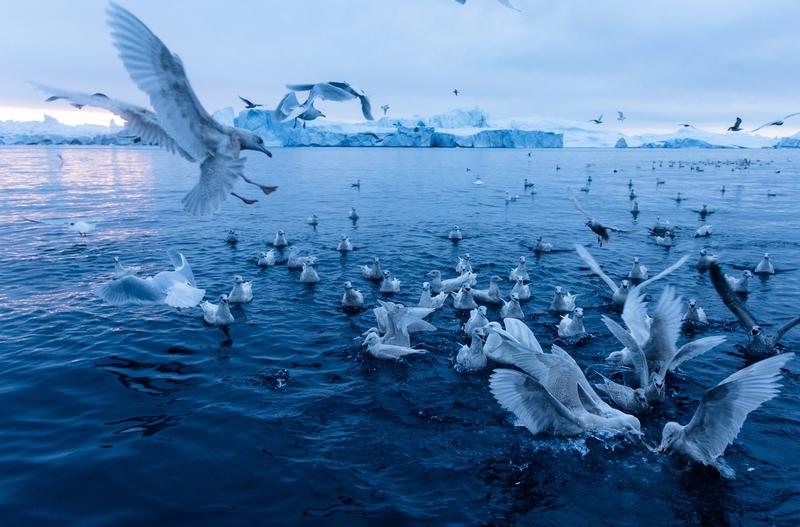
The experiences and work featured in the film closely align with our Arctic Ocean Initiative, which works to conserve productive and biodiverse marine ecosystems while supporting sustainable fisheries and resilient Arctic communities. By advancing solutions that bring together science, local knowledge, and collaborative stewardship, the Initiative works to secure a healthy Arctic Ocean for generations to come.
Ultimately, the film offers a hopeful vision for the future – one in which ocean management is guided not only by the health of the ecosystem, but by the well-being of the people who call the Arctic home.

Message sent
Thank you for sharing.