Food systems are complex, interconnected, and shaped by decisions made by actors around the world. Outcomes for economic productivity, nature, climate, health, livelihoods, and resilience are deeply intertwined, and progress in one area can easily be undermined by misalignment elsewhere.
Over the past century, those systems have delivered extraordinary progress. Gains in productivity, safety, trade and availability have helped feed billions of people and support economies around the world. But the forces that shaped today’s global food system are now colliding with new realities: climate shocks, geopolitical tensions, shifting consumer demand, technological change and growing pressure on land, water, and biodiversity.
At the Gordon and Betty Moore Foundation, our Conservation and Markets Initiative aims to address this challenge. We work with the private sector to align markets with conservation-minded approaches so that globally traded commodities can be produced, sourced and financed in ways that reduce harm to nature. This work is becoming more urgent as the future of food is increasingly shaped not only by how much the world produces, but by where demand comes from, and how supply chains respond.
China’s changing role in global food markets
One of the important shifts emerging is China’s changing role in global agricultural commodity markets.
For more than two decades, China has been a central engine of global agricultural demand. Its rapid economic growth, urbanization and rising consumption of animal protein helped reshape trade in soy, beef, and other commodities. Producer countries expanded and organized supply chains around the expectation that Chinese demand would continue to grow.
But new analysis from our partners at Systemiq suggests that this era may be entering a new phase. Their recent paper, China’s Food Future, hypothesizes that China is beginning to apply to food and agriculture some of the same system-level tools it has used in sectors such as energy and transportation: aligning policy, capital, technology, and industrial strategy to advance domestic goals. In this case, the goal is food security and sovereignty.
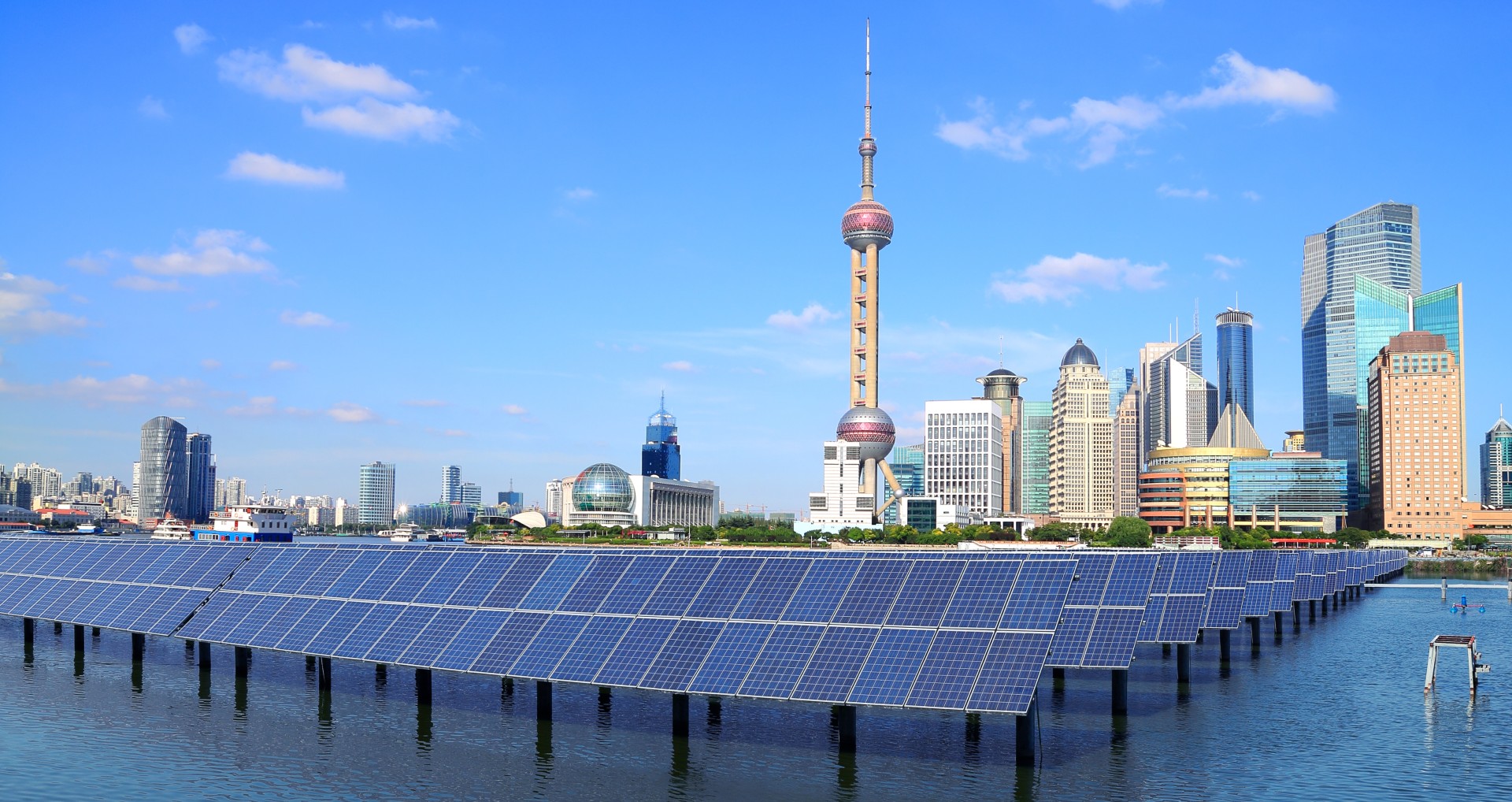 Shanghai Bund skyline. Credit: Adobe Stock.
Report findings
Systemiq’s report identifies several key findings that could have significant implications for global food systems and producer countries:
- Because food security is central to China’s economic stability and national security, China’s leadership is actively planning for a future where it relies far less on imported food commodities and far more on domestically-produced sources of protein and nutrition.
- Early signals suggest Beijing is applying the same industrial playbook that is delivering global leadership in solar and electric vehicles to food and agriculture – aligning policy, capital, and technology.
- By 2030, Chinese import demand will have peaked and begun to fall, especially for feed and animal protein. Demand for imported soya beans is projected to fall by 25%.
- Long term, China’s prioritization of biomanufacturing and alternative protein technologies is set to transform domestic markets and reshape global food production.
- Producers who adapt early – diversifying markets, upgrading productivity, raising deforestation and traceability standards – are best placed to succeed in this changing landscape.
Demand shifts require shifts from producing countries
Markets are accustomed to supply disruptions caused by drought, disease, conflict, or price volatility. While those disruptions can be severe, they are often temporary. A structural shift in demand from one of the world’s largest agricultural buyers would be different. It could reshape trade patterns, prices, land-use incentives, and investment decisions for decades.
For producer countries, the stakes are high. Many agricultural regions have grown around export-oriented commodity systems, often tied to demand from a small number of major markets. If that demand slows or shifts, producers could face declining volumes and greater uncertainty around future returns. At the same time, this transition could create opportunities to build more resilient and sustainable markets.
Producer countries that adapt early will be better positioned to succeed. That type of shift could be improving productivity on existing farmland rather than expanding into forests and native ecosystems, for example.
The food systems of the future will reward resilience, not just volume. Supply chains that can demonstrate strong environmental performance, credible traceability and lower exposure to land-use risk will be better equipped to navigate shifting demand and market volatility.
Why market transformation matters
The future of food depends largely on how multiple forces interact across supply chains. Decisions that we make today about sourcing standards, finance, production practices, transparency, and innovation will determine whether the next era of food systems strengthens resilience or deepens risk.
Our Conservation and Markets Initiative is grounded in the belief that markets can be powerful levers for conservation when incentives are aligned with better outcomes for people and nature. As global food systems change, that alignment becomes even more important.
China’s potential pivot is a reminder that the food system is not static. The question is whether producers, companies, investors, and policymakers will respond reactively — or prepare now for a future in which food security, conservation, and economic resilience are inseparable. Building for the future of food will require asking ourselves what kinds of markets can sustain both people and the planet into the future.

Message sent
Thank you for sharing.