In June 2026, the Gordon and Betty Moore Foundation co-hosted FireWERX’s inaugural Silicon Valley FireTech Convening in Palo Alto, California. Over two days, leaders from fire agencies, government, philanthropy, academia, and research came together around a shared challenge: how to move promising wildfire innovations into operational use faster, more reliably, and in direct service to the agencies and firefighters tasked with facing this crisis every day.
New technologies and approaches are emerging across detection, response, mitigation, land stewardship, and community resilience. But conceiving promising ideas is only the beginning. Technologies must also be tested in real-world conditions, evaluated by trusted experts, integrated into agency operations, and supported through procurement and implementation.
FireWERX was founded in 2026, with support from the Moore Foundation and co-funding partners, to connect fire agencies with the innovators, researchers, funders, and policymakers to move promising wildfire solutions from pilot to sustained operational use.
The following are key insights from the two-day convening.
Download the full report for a deeper look at the findings and the work moving forward.
Starting with the needs of fire agencies
FireWERX works in direct service to fire innovation units. These teams - which are embedded in select fire agencies - identify operational challenges, evaluate emerging approaches, and help guide useful technologies toward adoption.
Beginning with fire innovation units helps keep innovation grounded in the experience of the people who will ultimately choose which tools to deploy . Instead of asking agencies to find applications for available technologies, the process starts with a clearly defined operational need and the conditions under which a solution must perform.
 Credit: IDW
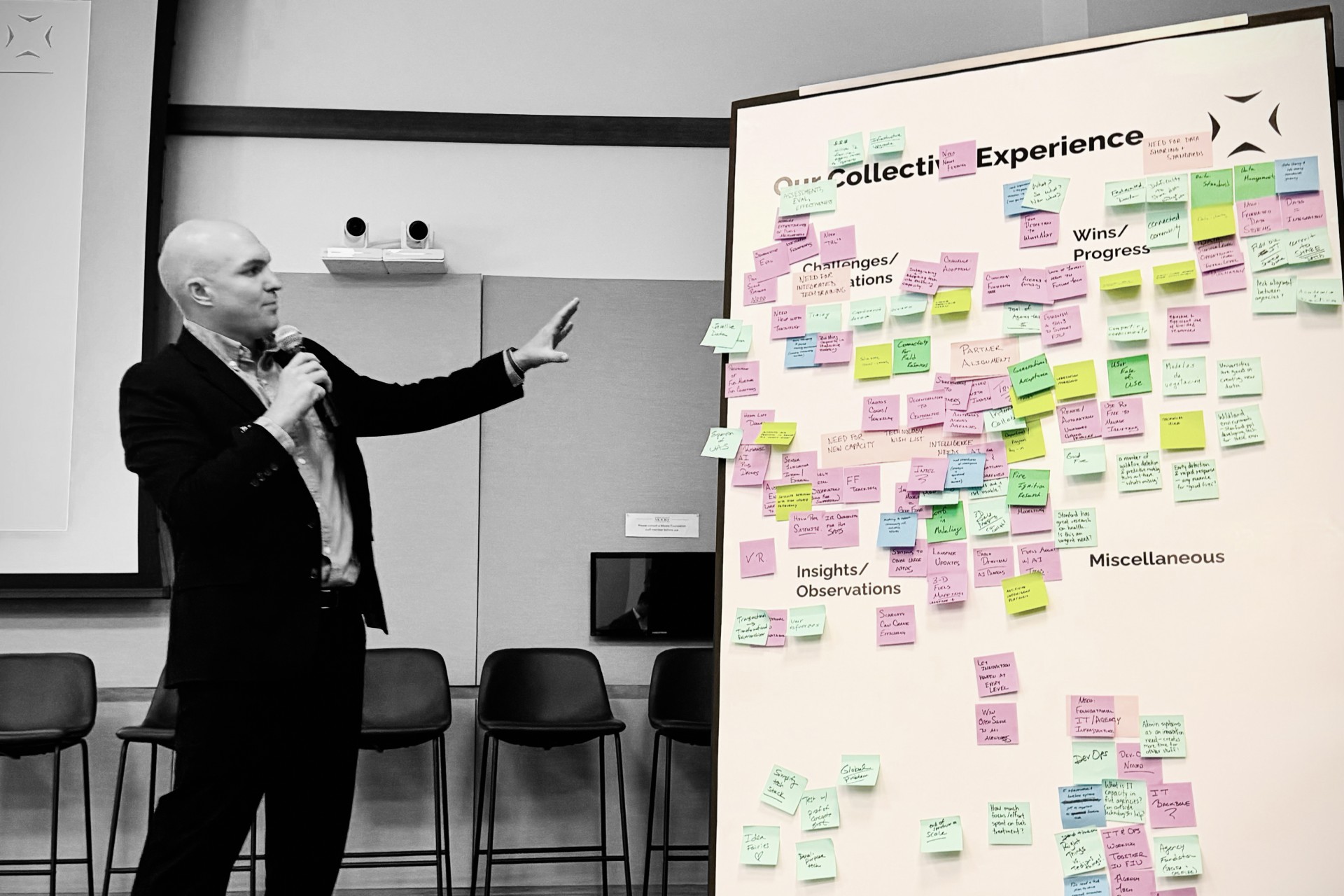
The Silicon Valley FireTech Convening brought fire innovation unit leaders together with researchers, technologists, funders, policymakers, and other partners who can help address those needs. Participants examined the barriers that repeatedly slow adoption, including fragmented testing, inconsistent evaluation, limited knowledge transfer, procurement constraints, and insufficient coordination across agencies and institutions.
Moving promising solutions from pilot to scale
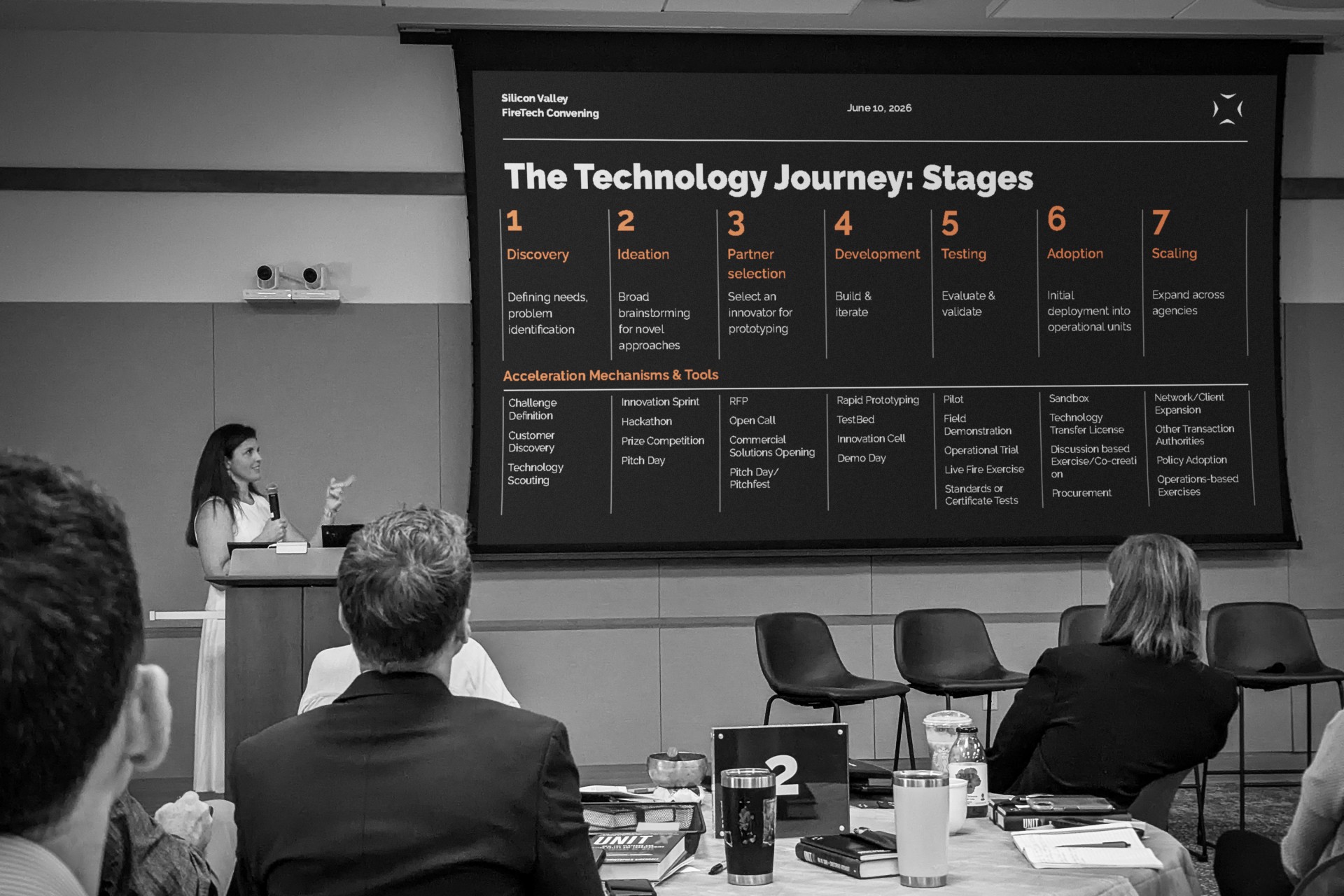
The convening helped define the infrastructure needed to move fire innovation forward.
Shared evaluation frameworks can make testing more consistent and results more useful. Testing technologies across various agencies provides the opportunity to see realistic results from actual users. This type of in-person collaboration and knowledge sharing can help agencies build on one another’s experience rather than repeatedly solving the same problems in isolation.
Procurement, policy, funding, and implementation must also be considered earlier. A successful pilot is only meaningful if there is a realistic pathway for an agency to continue using and scaling the solution.
 Credit: IDW
Strengthening the wildfire innovation ecosystem
The convening report captures ten commitments for the work ahead. They include launching the first pilot-to-scale pathways, strengthening the network of fire innovation units, creating shared testbeds and evaluation frameworks, and addressing the policy, procurement, and funding barriers that prevent effective solutions from advancing.
This work begins with fire agencies, but it cannot be carried by them alone. Researchers and technologists need a clearer understanding of operational requirements. Funders need better ways to support solutions beyond individual pilots. Policymakers need greater visibility into the structural barriers to adoption. Agencies need trusted ways to share what they have tested, what they have learned, and what is ready to move forward.
FireWERX connects these efforts around a common purpose. By working directly with fire innovation units and coordinating the broader network around them, FireWERX is helping build a wildfire innovation system that can learn faster, reduce duplication, and move proven solutions into the field.
The convening established the relationships and alignment. The next phase is about turning them into action.
What comes next: Turning alignment into action
The Silicon Valley FireTech Convening established shared priorities, strengthened relationships across the field, and clarified what is needed to move promising wildfire solutions into sustained operational use.
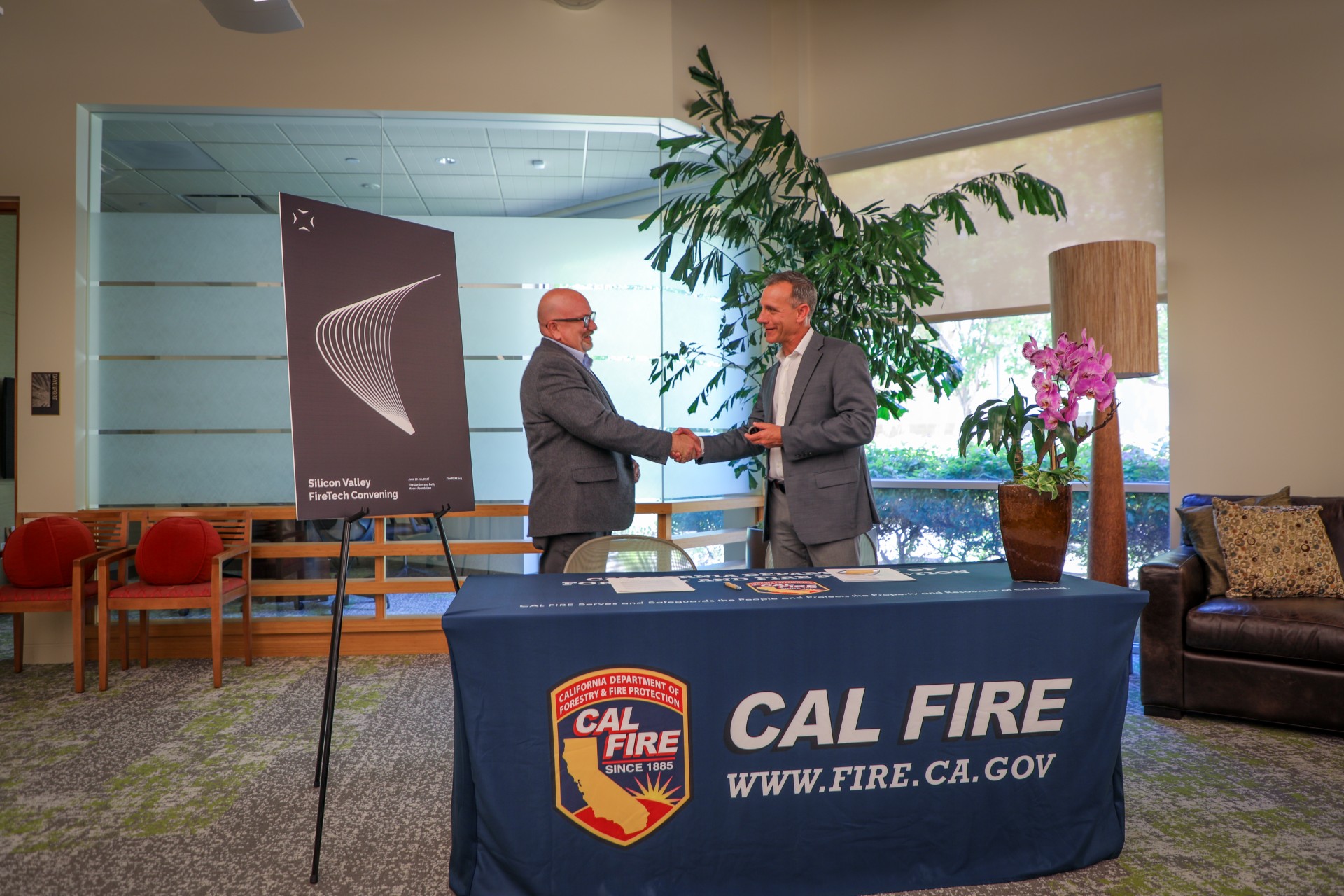
This work is already moving forward. FireWERX and CAL FIRE have signed a memorandum of understanding, formalizing their commitment to collaborate on wildfire innovation.
In the months ahead, FireWERX will share the pathways selected, progress from early pilots, opportunities for partnership, and lessons from across the network. The fundamentals are in place. The work now moves forward.
For more information, please contact the FireWERX team at info@firewerx.org.

Message sent
Thank you for sharing.